Quick answer
Yes, you can run a savings circle across borders, and many diaspora families already do, with some members in the US or Canada and others back home in Cameroon, Nigeria, the Philippines, Kenya, Mexico, or the Caribbean. The mechanism is identical to a local circle: everyone contributes a fixed amount on a schedule, and one member receives the pot each cycle.
What changes across borders is the practical layer. You have to handle different currencies, the cost and timing of international transfers, and keeping a shared record across distance. None of it is a dealbreaker, but a cross-border circle needs more planning than a local one. This guide covers the three challenges and how to solve each.
Why diaspora families run cross-border circles
For many families, the circle never stopped at the border. People emigrate, but the savings circle, the njangi, susu, paluwagan, or tanda, often keeps the same members, now spread across two countries.
The reasons are practical and emotional. The trust already exists, built over years among family and close community, and that trust is the hardest part of any circle to create from scratch. A cross-border circle also lets money flow where it is needed: a member abroad can take an early payout to cover a cost in their new country, while contributions can support relatives back home when their turn comes. It keeps a family financially connected across distance.
The instinct is sound. The execution just has to account for three things that a single-country circle never worries about.
Challenge one: different currencies
When members earn in different currencies, the contribution needs a clear rule or it quietly becomes unfair.
The problem is exchange-rate movement. If one member contributes in US dollars and another in a home currency, and the rate shifts over a ten-month cycle, members can end up paying meaningfully different real amounts for the same nominal contribution. Over a long circle, that adds up and breeds resentment.
The fix is to decide the currency rule before the circle starts. Pick one reference currency for the contribution. Agree exactly how the exchange rate is set for each cycle, for instance the published rate on the contribution date, from a single agreed source. Once the rule is fixed and visible to everyone, exchange-rate swings stop being a source of dispute, because the method was agreed in advance rather than argued after the fact.
Challenge two: transfer cost and timing
This is the hardest practical problem in a cross-border circle. Sending money between countries can be slow and expensive, and a circle that depends on contributions arriving by a set date can stall when a transfer is delayed or a chunk disappears into fees.
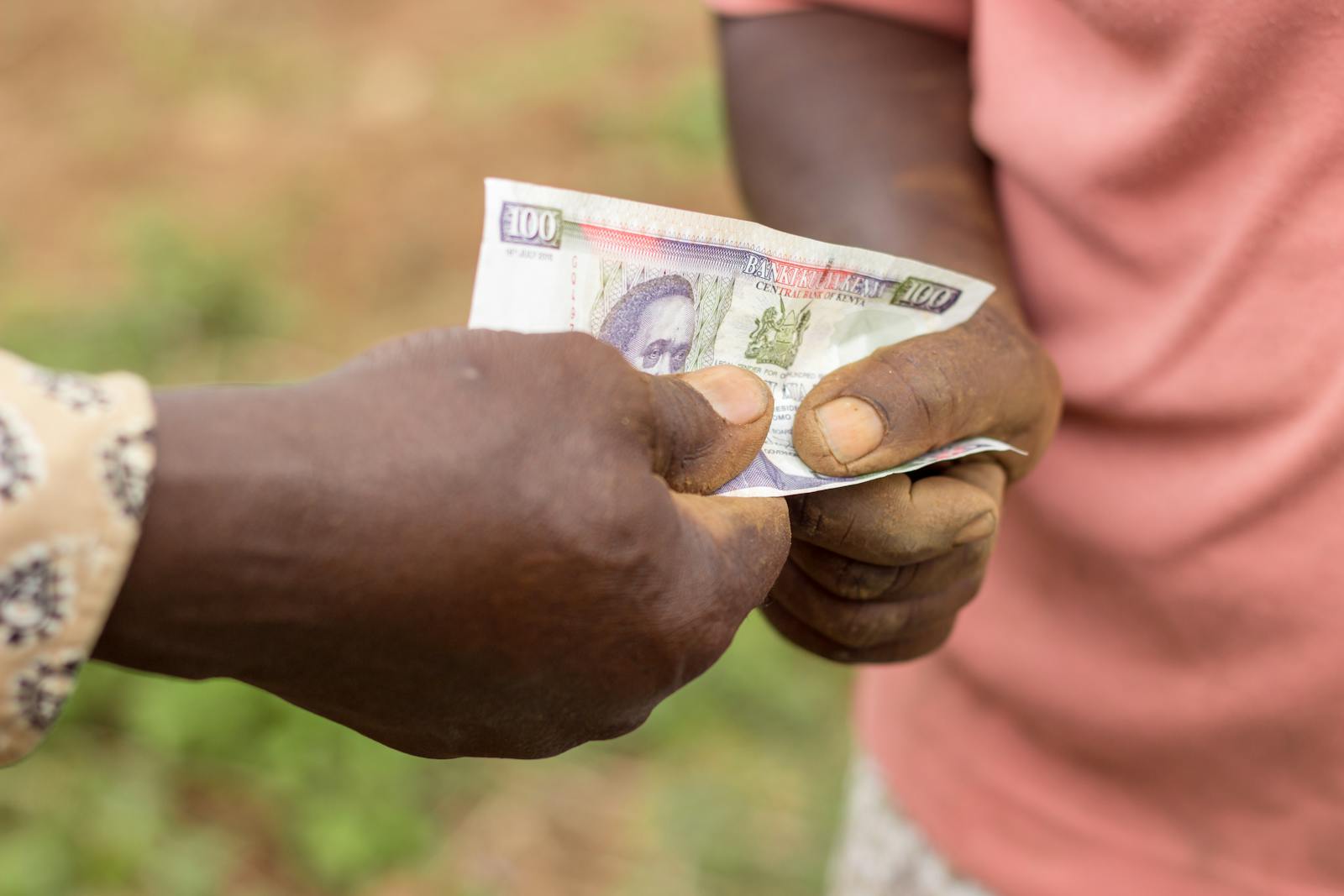
The traditional workaround was cash, carried by a traveling relative or a trusted courier. It still happens, but it is risky, untrackable, and obviously does not scale to a regular monthly schedule.
The realistic modern fix has two parts. First, set deadlines that account for transfer time, do not assume an international payment clears as fast as a local one, and build a buffer into the schedule. Second, use the most reliable, lowest-cost rails available for the corridor you are sending across, and agree as a group on the method so everyone is using the same path. The less friction in each transfer, the less likely a delay throws off the whole rotation.
Challenge three: keeping a shared record across distance
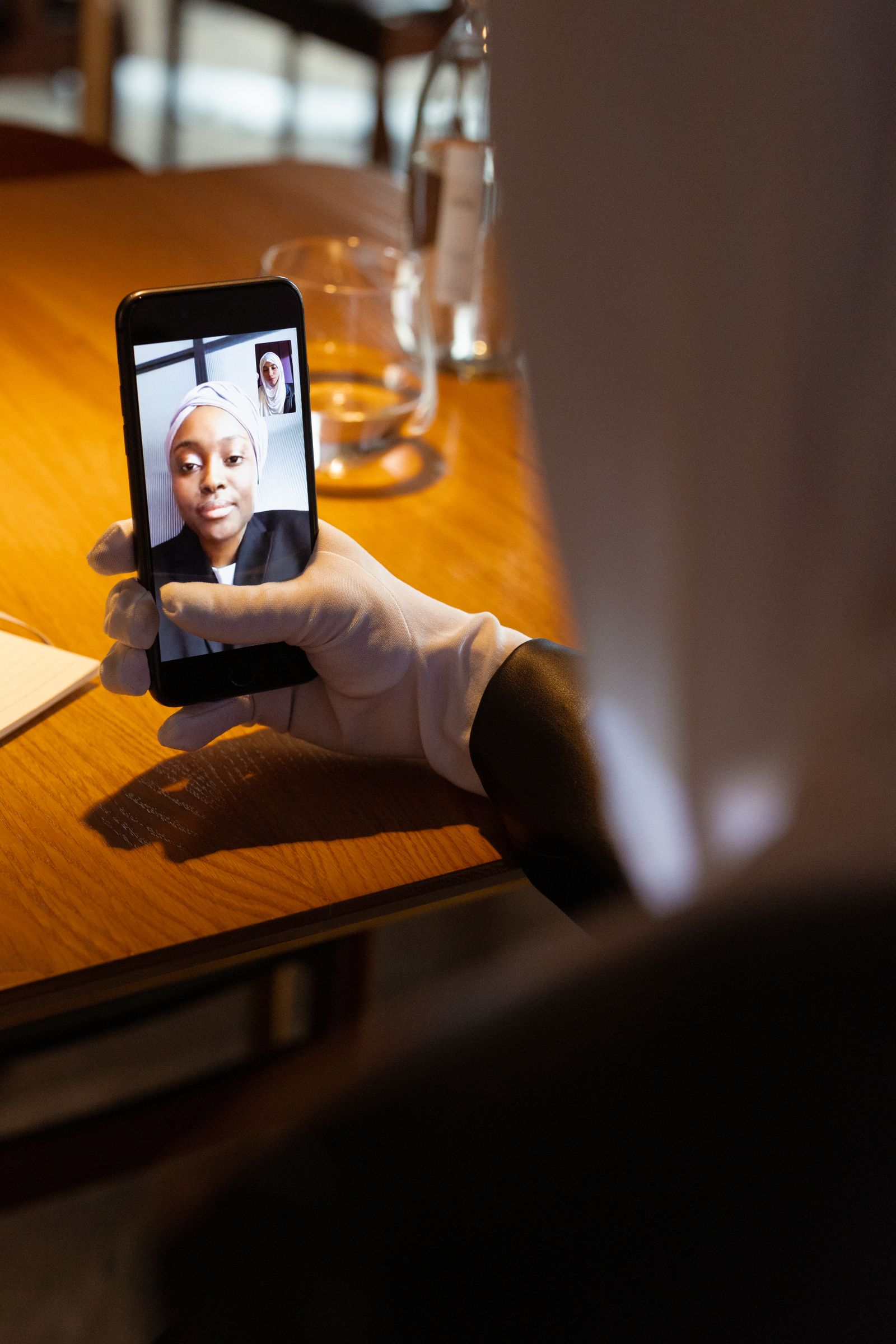
A local circle leans on in-person contact: you see each other, the social pressure is constant, and someone usually holds a notebook everyone trusts. Across borders, that in-person layer thins out. You cannot rely on bumping into a member at church or in the neighborhood to nudge a payment.
So the record has to do more of the work. Every member, in every country, needs to see the same up-to-date picture: who has contributed this cycle, who is receiving, and what is still outstanding. A single shared record removes the "did the payment from abroad arrive" uncertainty that otherwise creates friction. It also replaces some of the lost social pressure with transparency, because everyone can see who is on track and who is behind.
This is where a cross-border circle most needs to move beyond a cash-and-notebook approach. Distance and a paper ledger do not mix.
Keeping it fair, trusted, and legal
The same principles that protect a local circle apply across borders, with a little more emphasis on structure.
- Write the rules down, including the currency reference, the exchange-rate method, the schedule with transfer-time buffers, and what happens if a payment is late.
- Keep one shared record every member in every country can see in real time.
- Choose members on trust, as always. Distance makes recovery harder, so the bar for who you let in should be at least as high as a local circle.
- Stay within the legal lines. As with any circle, no promised profit, no recruiting, and no taking money from the public. The cross-border element does not change those rules; it just means contributions move internationally, which is ordinary personal money movement among known people.
Where Wiremi fits
Cross-border circles are close to the heart of why Wiremi exists. The whole point is to let your njangi, susu, or paluwagan keep its members even when they are spread across countries, without losing the trust and fairness that make it work. Wiremi lets you run the circle with members across borders, set the contribution and schedule, and track every contribution and payout on one verifiable ledger that everyone sees, wherever they are. The shared record that a distant circle most needs is built in.
We are honest about the timeline. The structure, the multi-member transparency, and the record are what the platform provides today. The funding rails that move contributions across borders smoothly are arriving around Q3 2026 in both Canada and the US, and we will say so plainly until they are live, rather than imply you can move money on Wiremi today when you cannot yet. The trust and the record come first; the rails are coming. And that same on-ledger record becomes the foundation of the Wiremi Passport we are building toward future credit reporting, so a circle that already crosses borders can also start to build a financial identity that travels with you.
The bottom line
A savings circle can absolutely cross borders, and for many diaspora families it always has. The mechanism does not change; the practical layer does. Plan for three things, agree the currency and exchange-rate rule up front, account for transfer cost and timing, and keep one shared record every member can see, and a cross-border circle stays as fair and trusted as a local one. The tradition was built on family and community that distance never erased. With the right structure, it can run across an ocean as cleanly as it once ran across a neighborhood.