Somebody in your building is already collecting this week
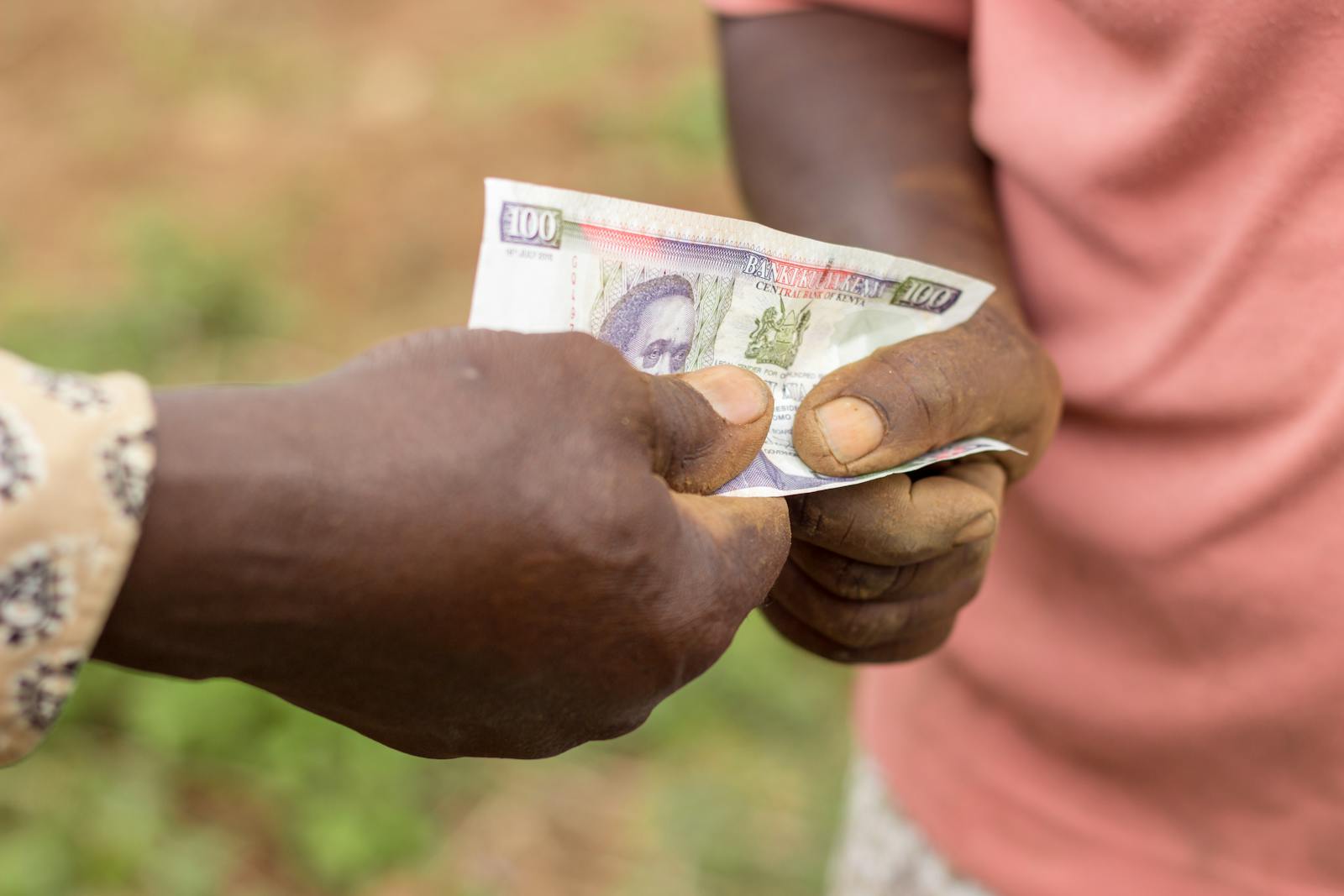
Ask around a Brampton apartment block off Queen Street, a Sunday service in Bramalea, or a hall rented out in Malton for a naming ceremony, and you will find a circle running. A group of people who trust each other, each putting in the same amount on the same schedule, with one person taking the whole pot in turn. Ghanaians call it susu. Nigerians call it ajo or esusu. Many Caribbean families call it a partner, throwing a hand, or a box, and the person who keeps it straight is the banker. The words differ. The discipline is identical. You contribute, you wait for your turn, you collect a lump sum you could not have saved alone that fast. None of it touches a bank product, and none of it shows up anywhere a lender can see it.
Peel Region is where a lot of the GTA's West African and Caribbean life actually lives
Brampton and the rest of Peel are not the downtown Toronto story, and people here know the difference. This is the 905, suburban, car-dependent, anchored by family households rather than condo towers. Census data has long shown Peel Region holding one of the largest Black and Caribbean populations in the country, alongside fast-growing West African communities from Nigeria, Ghana, and beyond. That presence is documented and visible: the churches, the mosques, the cultural associations, the grocery stores stocked with egusi and ackee, the event halls booked out months ahead. What is not formally counted is how many of those households are quietly running a savings circle. We will be honest about that. The community presence is well documented. The prevalence of circles is qualitative, drawn from how these communities describe their own habits, not from a measured survey. We are not going to hand you a fake statistic.
Where the circles form in the 905
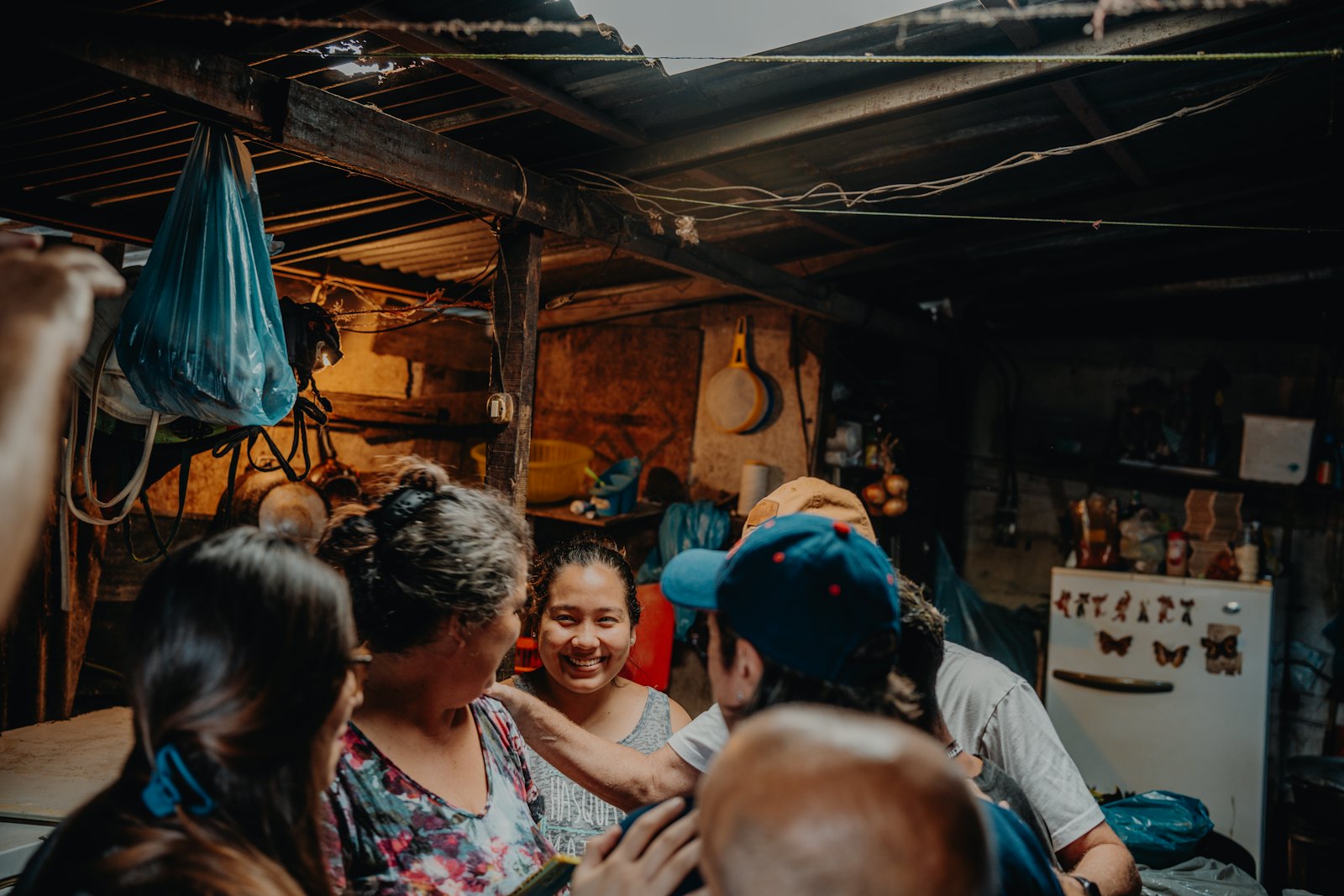
In Brampton, circles tend to organize around the places people already gather every week. A church savings group that started among the women's fellowship. A mosque community where a few families pool toward Eid or a trip home. A town association, Igbo, Yoruba, Ga, Akan, Jamaican, Trini, where membership dues and a rotating fund sit side by side. A workplace circle on a warehouse floor in the industrial stretches near the 407, where coworkers from the same region trust each other enough to throw a hand. The anchor is rarely a financial institution. It is a relationship, a shared origin, a place of worship, an aunty who has run the numbers in her head for fifteen years and never once gotten it wrong.
It still runs on cash and e-transfer, and that is the quiet problem
Here is the present-tense reality in Peel. The contribution moves as cash handed over after service, or as an Interac e-transfer fired off from a phone in a parked car. The banker tracks it in a notebook, a spreadsheet, or a group chat. The system works because the people trust each other. But the moment the money leaves the circle, the record leaves with it. Your bank sees an e-transfer to a name it does not recognize. It does not see a six-month run of perfect, on-time contributions. When you have paid faithfully into a circle for years and then sit down across from a lender for a car loan or a first mortgage, that history is invisible. There is no channel that carries it anywhere. The discipline was real. The proof evaporated.
What Wiremi does and, just as importantly, what it does not
Wiremi gives the circle a place to live that produces a record the member controls. You can host your circle in the app, log each contribution and each payout, and build an on-ledger paper trail of how you handled your turn. That trail is yours. It is a record you can show, on your terms. We want to be precise here so nobody walks away with the wrong idea. This on-ledger record is a paper trail you control. It is not a credit score, and it is not a file at Equifax or TransUnion. Wiremi does not report your circle activity to a credit bureau. The Wiremi Passport, the feature meant to package that history into something you can present, is in development, not a live credit product. And the funding rails matter: live money-movement corridors today are the seven African corridors, not Canadian or US rails. Across Canada and the US we do not move funds between people yet. What you get now is the structure, the schedule, and the record. We would rather tell you that plainly than oversell it.
How to start without changing how your circle works
You do not have to convince your whole group to switch anything to get value today. Start with the free ROSCA calculator at wiremi.ca/tools/rosca-calculator/. Put in your members, your contribution amount, your frequency, and your turn position, and it will show you your payout and the exact date your hand comes due. No login, no money moved, just clarity you can screenshot and send to the group chat. When you are ready to keep a record that lasts, download the Wiremi app on iOS or Google Play, host your circle, and log every round so your contribution history is documented and in your hands. If a feature you want is not live yet, join the waitlist and we will tell you when it ships. The circle is already part of how your community survives and gets ahead. This just makes sure your part of it leaves a trace.